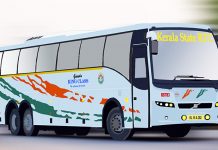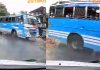
The ticket cost reduction by Re 1 across the ordinary state transport buses did not yield extra passenger volume but instead decreased the per-day income of the state carrier. The project was launched from March 1 expecting a drop of Rs. 20 lakhs but the actual figures are higher, at Rs. 75 lakhs.

The income of KSRTC has dropped to Rs.4.75 crores from Rs 5.50 -5.75 crore per day. There was hope that the service rescheduling will bring in Rs.7 crore plus of revenue to the KSRTC, a figure necessary if the carrier has to tide over the Rs.100 crore per month loss figure.
Summer months generally see a drop in the number of passengers. But last Sunday saw a record low of Rs.3.90 crores, a five-year low. This will not even cover the diesel, salary and pension account requirements. In 2010, 32 lakh people commuted in KSRTC buses everyday. This dropped to 28 lakhs when the ticket prices went up with the insurance cess. The drop in diesel prices had been passed on to the consumers in the form of reduced ticket fares.
Accusations of electoral appeasement was also raised. The government had requested the private buses to reduce their fares from the minimum of Rs.7 but they refused citing the move was impractical. The drop in fares was supposed to benefit at least 22 lakh passengers. The passenger traffic was expected to rise in the routes were the ordinary buses compete the track with the private buses. The authorities cited the exam season for the drop in the numbers.
News : Mathrubhumi